


When you turn forty, your fitness changes, even if many people don’t want to admit it. The body still responds to exercise. Strength can still be built up. Endurance can be improved. Muscles can last for years. What is changing is the cost of ignoring recovery or adopting poor exercise habits. The spine usually notices it first. A person can spend decades sitting at a desk, driving, looking at screens, carelessly lifting things, sleeping poorly, and skipping mobility work. At first nothing dramatic happens. Then stiffness appears in the morning. A long car ride feels different. Certain exercises suddenly seem less pleasant than before. Small warnings appear.
Many adults either overreact or underreact. Some people stop exercising because they fear hurting their backs. Others continue to exercise despite the pain because they assume that pain is normal as they get older. Neither approach solves much.
Stop trying to train like you’re twenty-five
A common mistake occurs when people refuse to conform.
The training that worked fifteen years ago may not suit the current version of the body. Recovery capacity is shifting. Changes in joint tolerance. Old injuries persist longer than before. None of this means that training should be easy. This means that the error rate becomes smaller. Some people discover this the hard way.
Actually, Spinal surgery specialists Mention often that staying active usually serves to protect your back rather than endanger it. The problem isn’t the movement itself. The question is how people move, how often they recover, and whether they pay attention when the body starts to fight back.
An aggressive workout after weeks of inactivity. A weekend full of hard work. An attempt to reach younger athletes. Then your back gets tense for days. Sometimes weeks.
Consistency tends to trump intensity here.
Strong muscles relieve the strain on the spine
The spine does not work alone.
The muscles around him share the workload. When these muscles become weak, the spine often performs more than it should. This is one of the reasons why strength training is still valuable even after forty. Not because everyone needs bigger muscles, but because strength creates support.
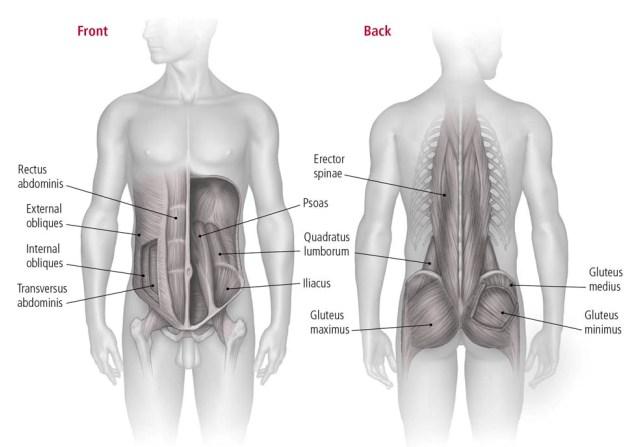
The hips are important. The core counts. The upper back is also important.
A strong body distributes force more efficiently. A weak body compensates. Compensation can work for a while. At some point something starts to complain.
This complaint often affects the lower back.
Mobility is easier to keep than to regain
Many people lose their mobility gradually, so much so that they hardly notice it.
The movement becomes smaller. The rotation is limited. Bending over feels uncomfortable. Reaching from the top requires more effort. Daily life adapts to these limitations until one day they can no longer be ignored.
The problem isn’t just tense muscles.
Restrictions on movement change the way the body functions. If the hips move poorly, the lower back may move more. When the upper back becomes stiff, the neck often takes on additional stress. One limitation creates another somewhere else.
This chain reaction happens quietly.
Then suddenly it doesn’t feel calm anymore.
Recovery is part of training
There is a strange belief that recovery is optional.
That’s not it.
Sleep supports tissue repair. Rest days allow for adjustment. Walking promotes movement without excessive strain. Even hydration plays a role in how the body feels during exercise. However, many adults focus solely on training and consider recovery as an afterthought.
The body still scores.
Bad recovery is piling up. This also applies to a good recovery. You push people to setbacks. The other usually helps them stay active longer.
Not complicated. Often ignored.
Learn to respect warning signs
Back problems rarely occur without warning.
The signs can be subtle. Persistent stiffness. Severe discomfort with certain movements. Pain moves into the legs. Deafness. Recurrent pain that does not improve.
People are often convinced that if these symptoms are ignored long enough, they will go away.
Sometimes they do.
Sometimes they become much bigger problems.
Listening to your body is not weakness. It is information gathering. There is a difference between normal exercise fatigue and signals that something needs attention. As we get older, it becomes more important to understand this difference.
Sitting causes problems that exercise cannot completely eliminate
Many adults spend most of the day sitting.
Work. Commute. Meet. TV. Telephones.
Then comes an hour at the gym that is expected to solve everything.
Normally this is not the case.
The body responds to overall behavior, not to isolated training sessions. Prolonged periods of inactivity can lead to stiffness, poor posture, limited range of motion, and muscle imbalances. Frequent exercise throughout the day is often more important than people realize.
A short walk helps.
Standing helps.
Changing position helps.
Small habits repeated regularly can have a surprisingly big impact.
Weight management is important
Extra body weight increases the physical strain on the body. The spine is included in this equation, whether people like to discuss it or not.
This does not mean that every spine problem is related to body weight. Many active, healthy people suffer from back pain. Still, maintaining an appropriate weight generally reduces unnecessary stress during everyday movements. Walking becomes easier. Movement feels better. Recovery may improve.
This is where nutrition comes into play.
Food support Muscle preservationEnergy production and tissue repair. Practice alone rarely supports the entire workload.
Technique usually trumps effort
People often believe that harder is better.
Not always.
Bad technique executed aggressively is still bad technique. A controlled exercise with moderate resistance often provides more benefit than a heavier exercise performed with poor form. The spine values efficient movements. He doesn’t care about ego.
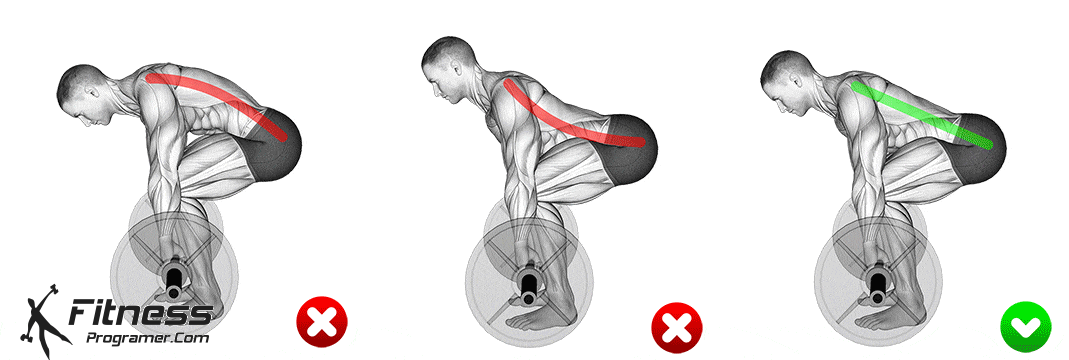
This applies to gyms.
This applies when carrying groceries, moving furniture, lifting boxes, and working in the garden.
The back experiences all of this.
Think long term
One reason some people stay active into their 60s and 70s is because they stop watching television fitness as a short-term project. They treat it more like maintenance.
Small improvements are important.
Even small setbacks are important.
The goal shifts from striving for quick results to maintaining performance. Power that supports daily life. Mobility that makes movement pleasant. Endurance that allows activity without exhaustion. These qualities tend to accumulate through repetition rather than dramatic effort.
Slow progress takes longer.
Protecting your spine after forty is less about avoiding activity and more about avoiding unnecessary mistakes. The body still benefits from training, still adapts and continues to grow stronger. But it usually responds better to consistency than to punishment. Keep moving. Maintain strength. Give recovery the attention it deserves. If something feels wrong, you shouldn’t spend months waiting for it to clear up on its own. Many people assume that age limits them, but more often it is accumulated injuries, long periods of inactivity, or habits that are repeated for years without much thought. A healthy spine makes it easier to remain independent, active and physically capable over time. The goal is not perfection. It’s about maintaining the ability to do the things you enjoy without constantly being thwarted by avoidable problems. In the long run, these small everyday decisions affect the outcome far more than an intense workout or a short burst of motivation.