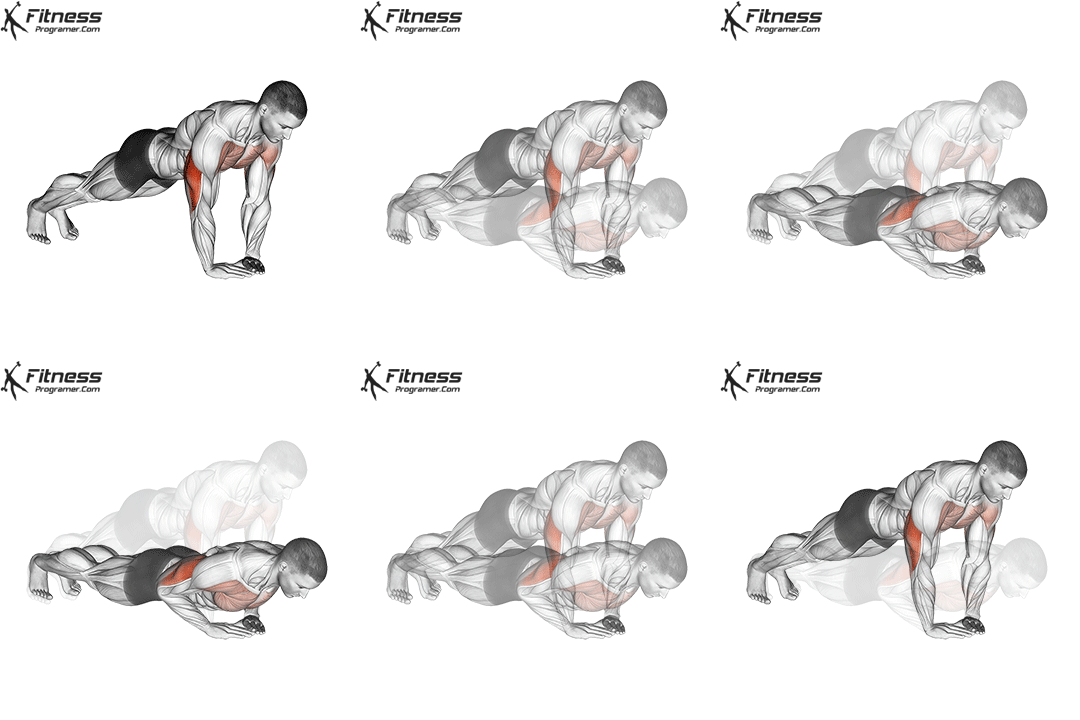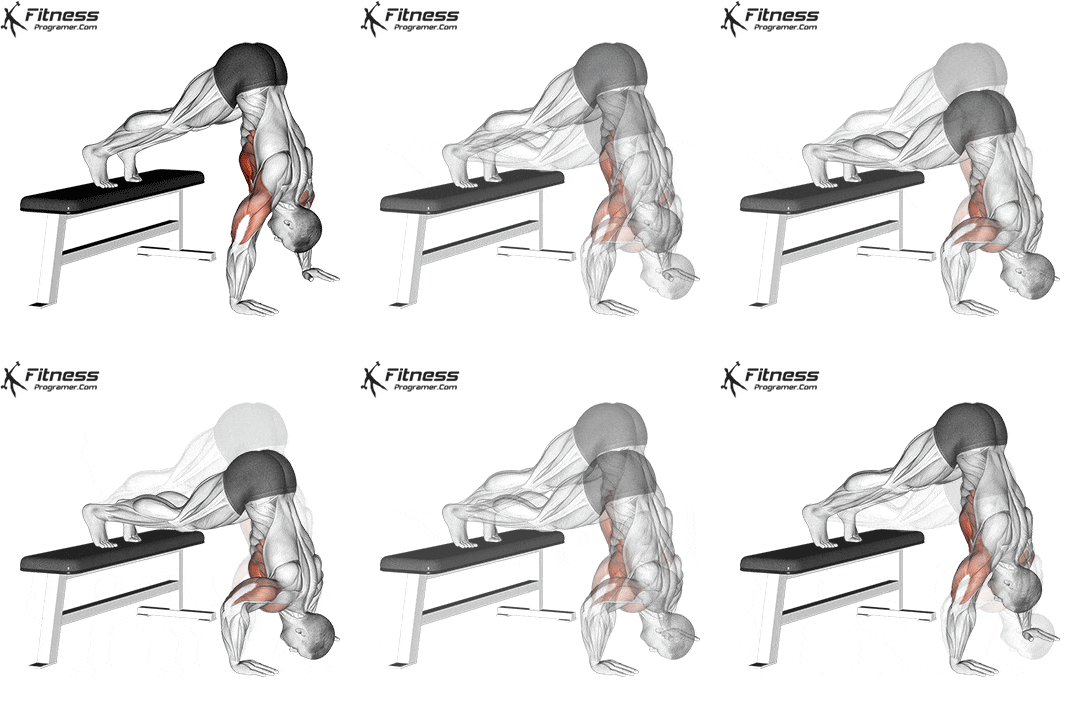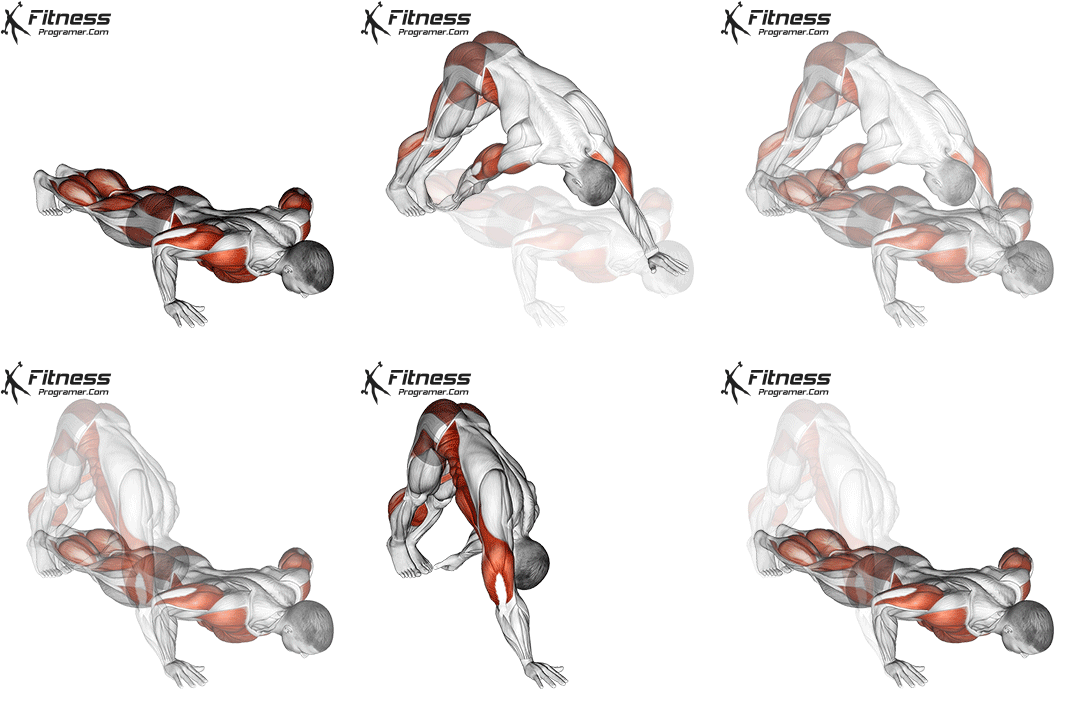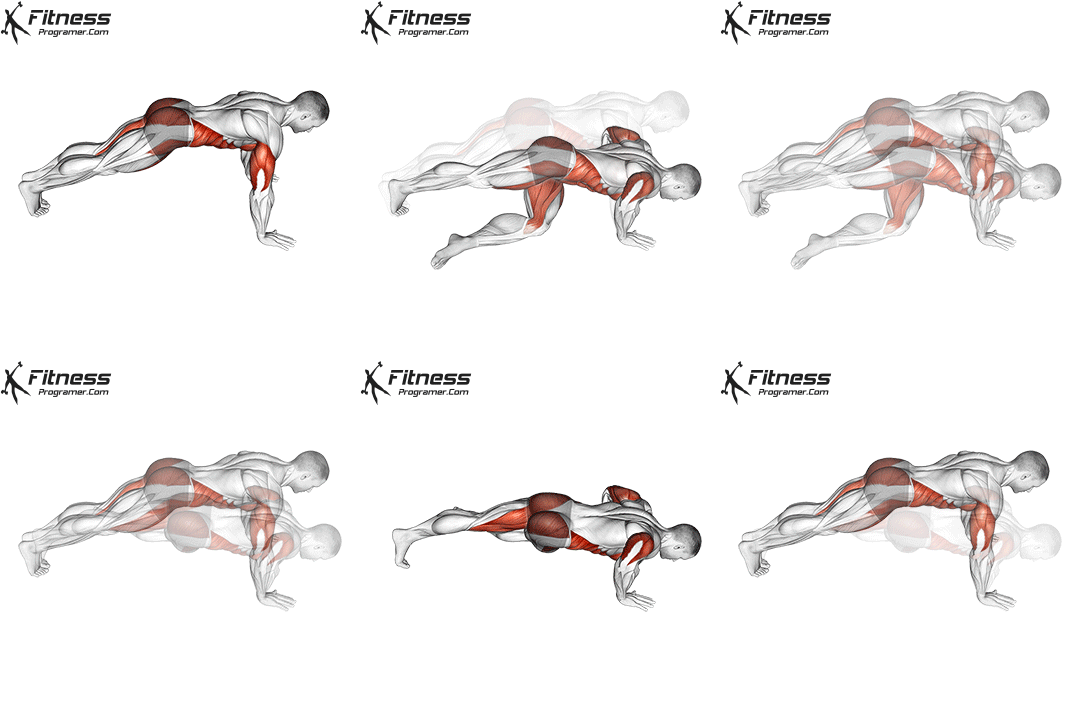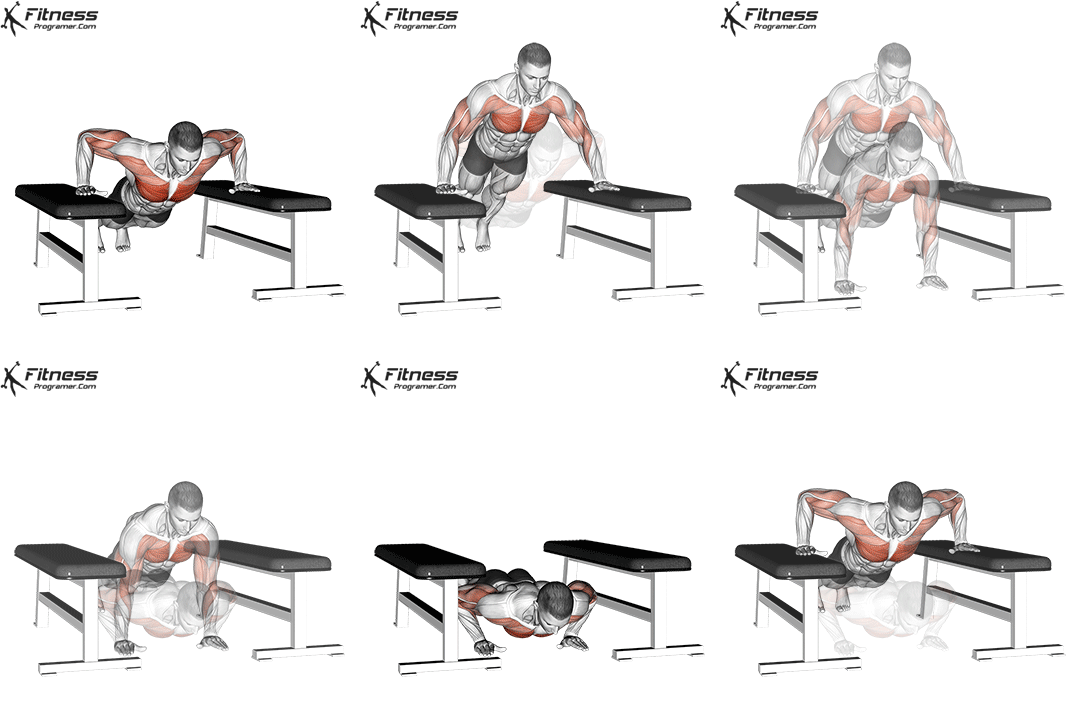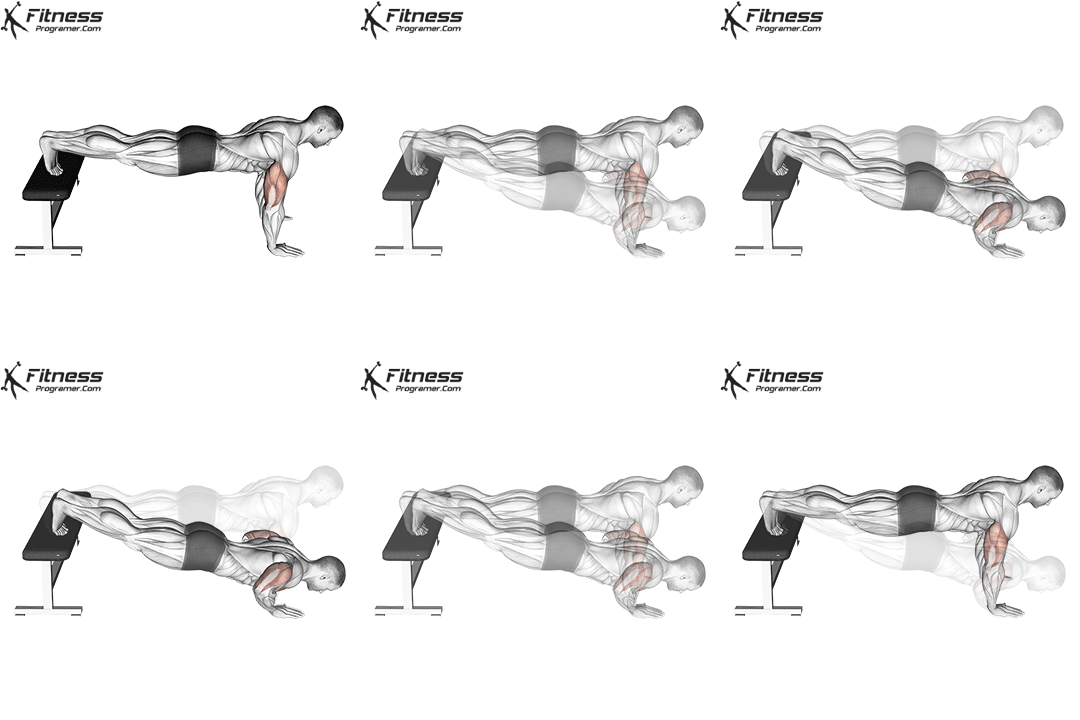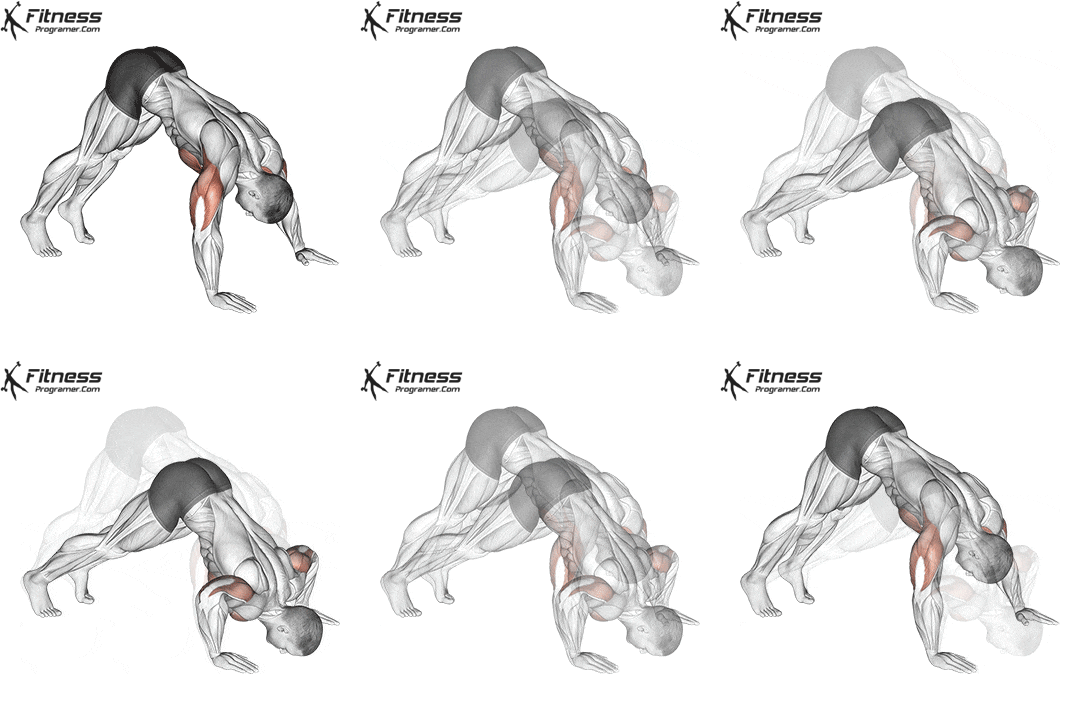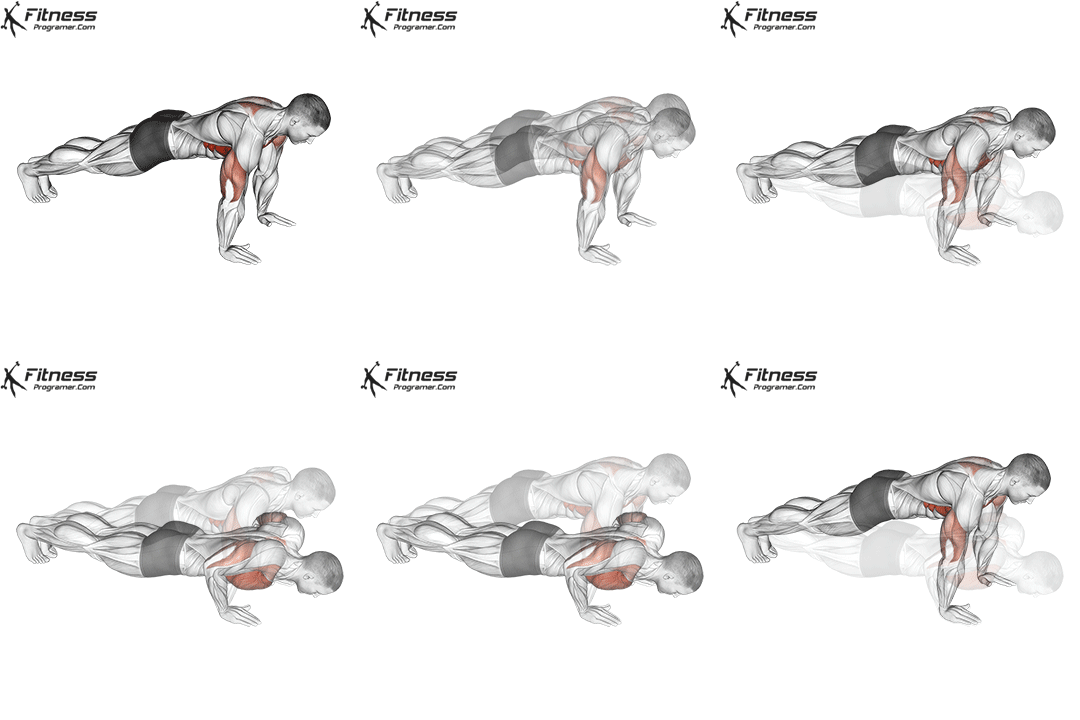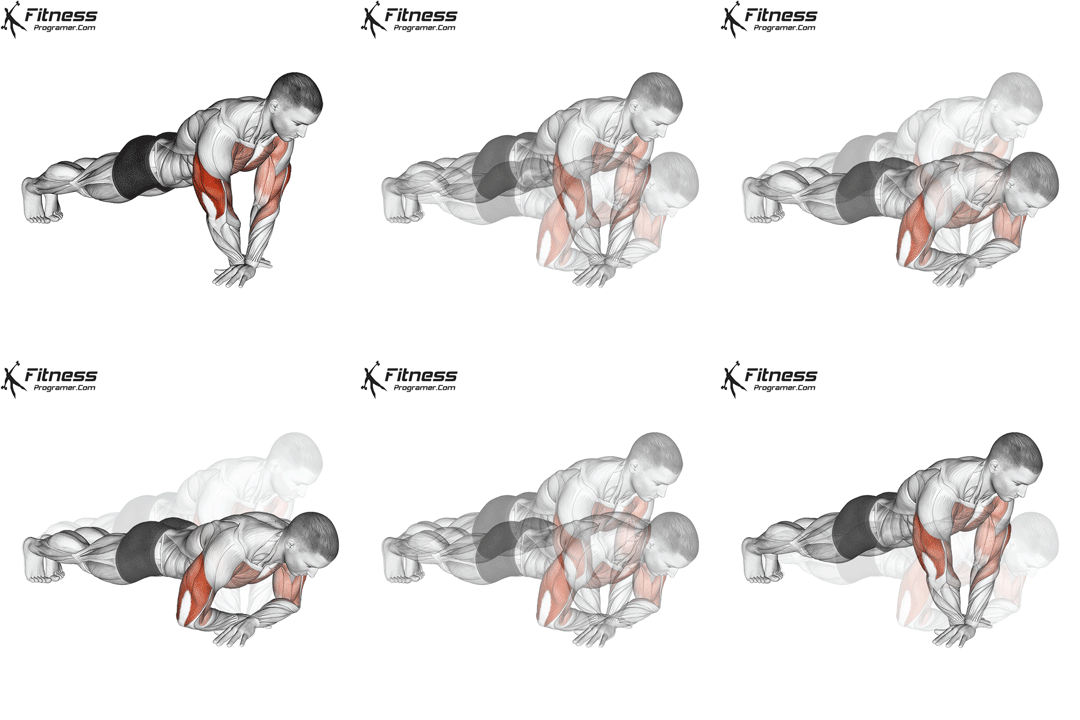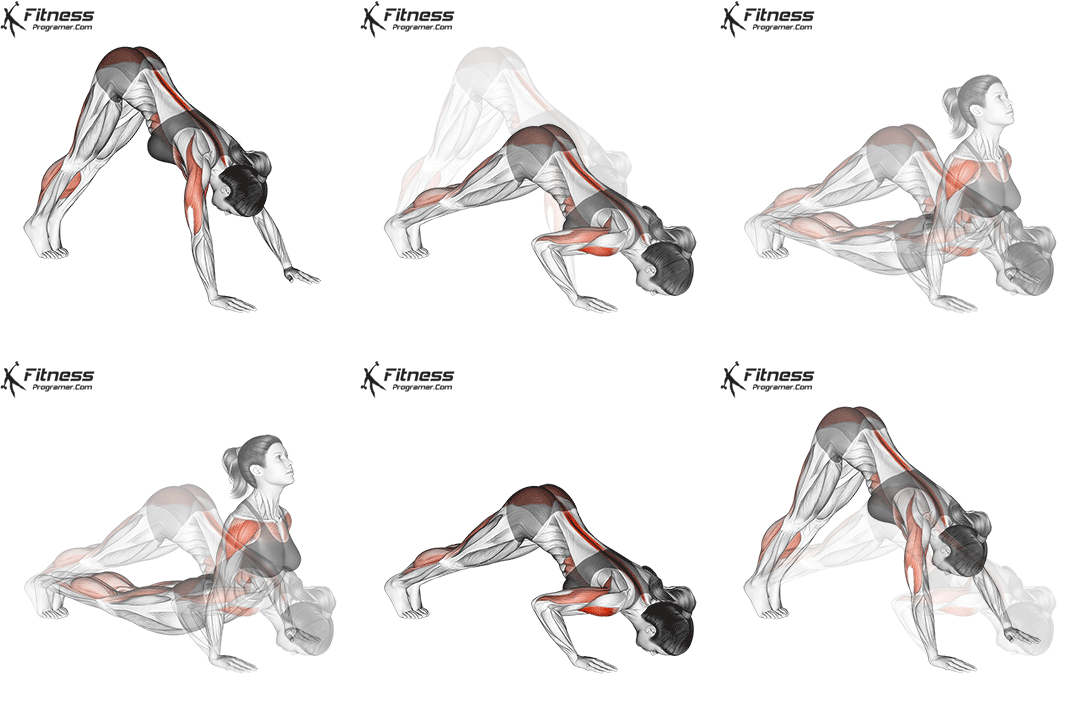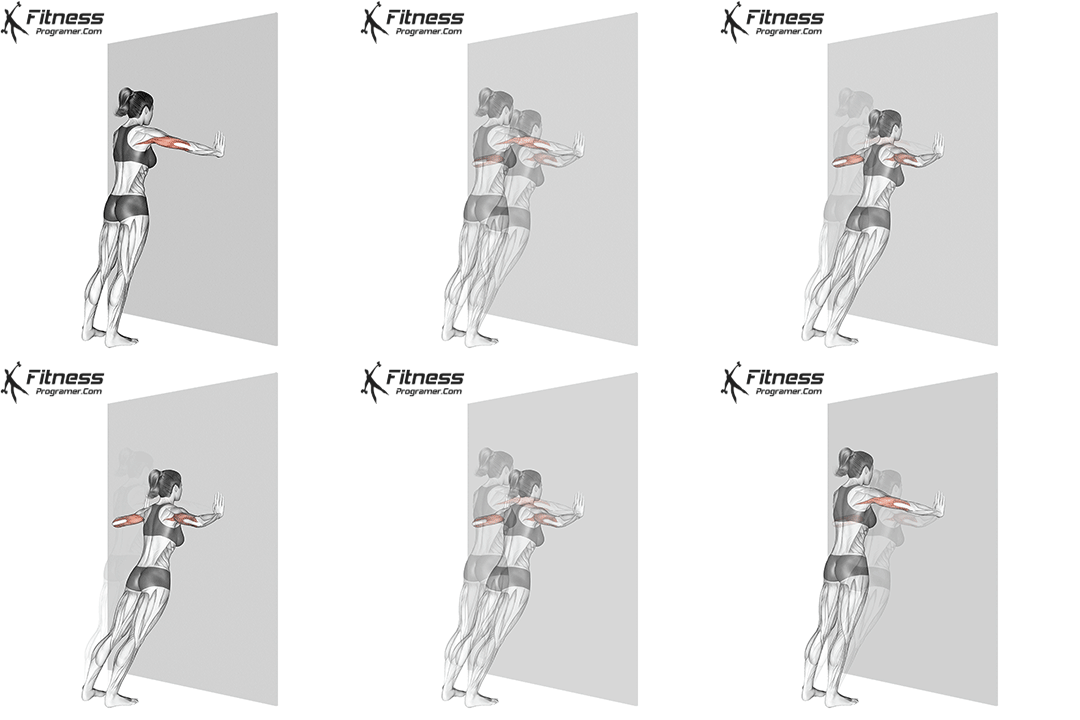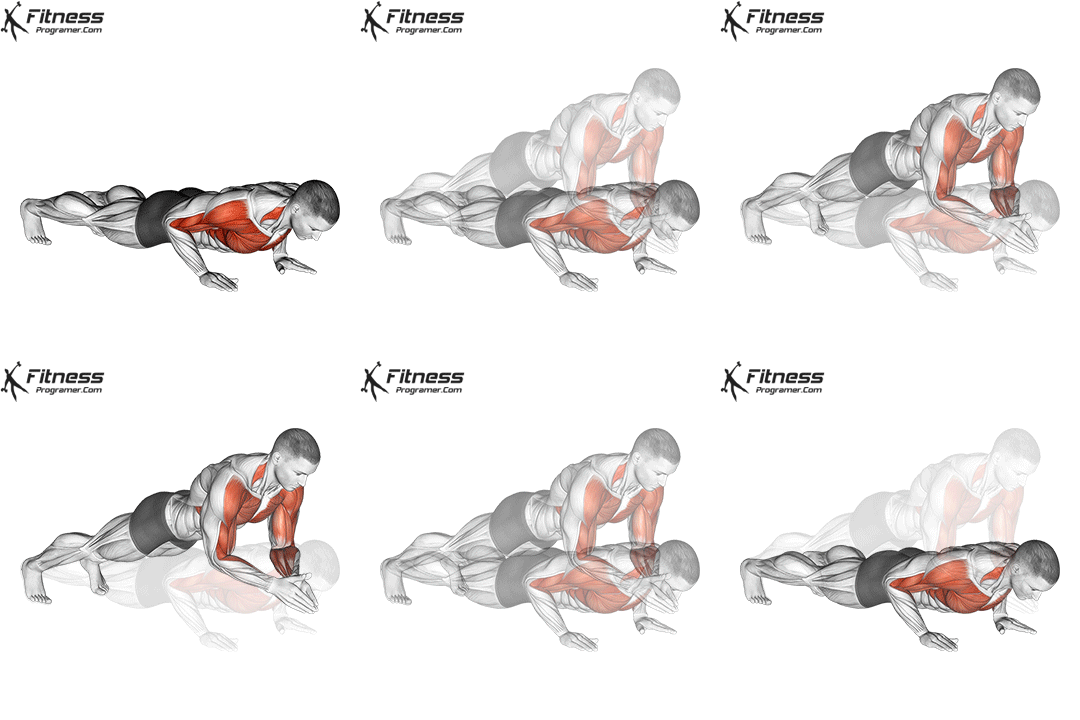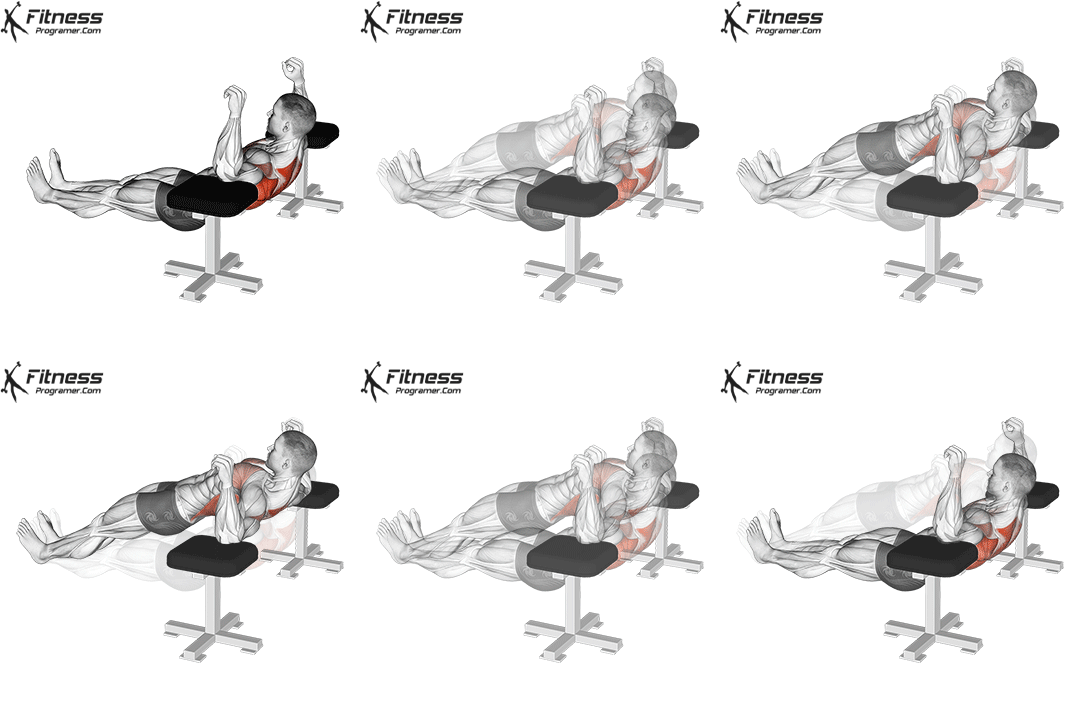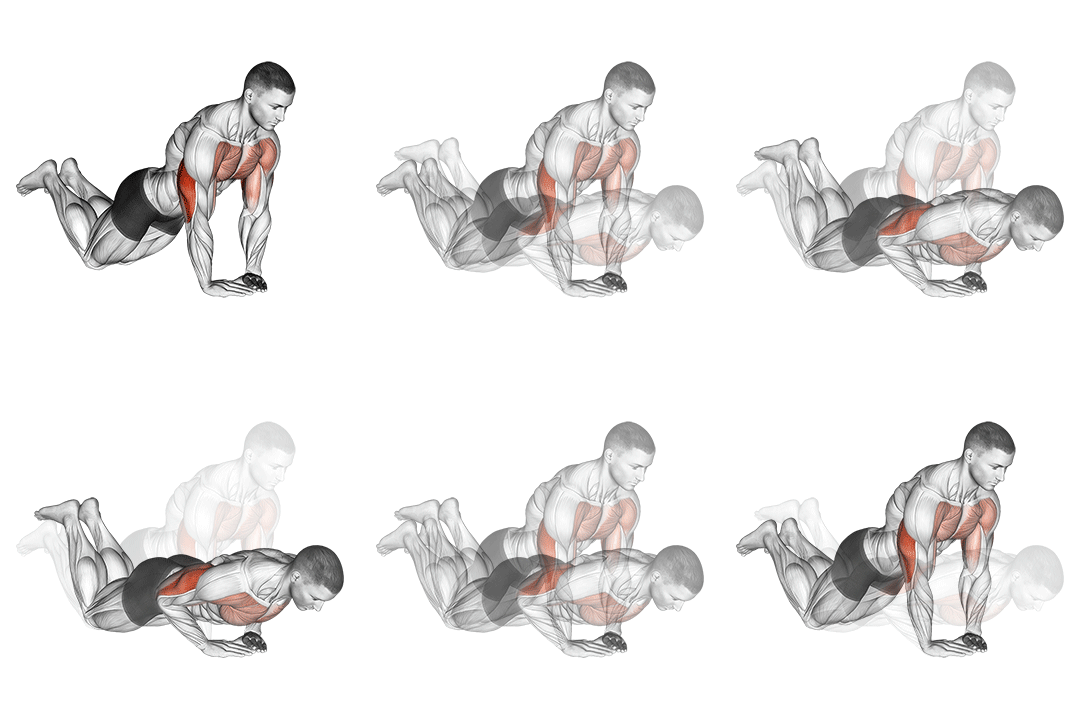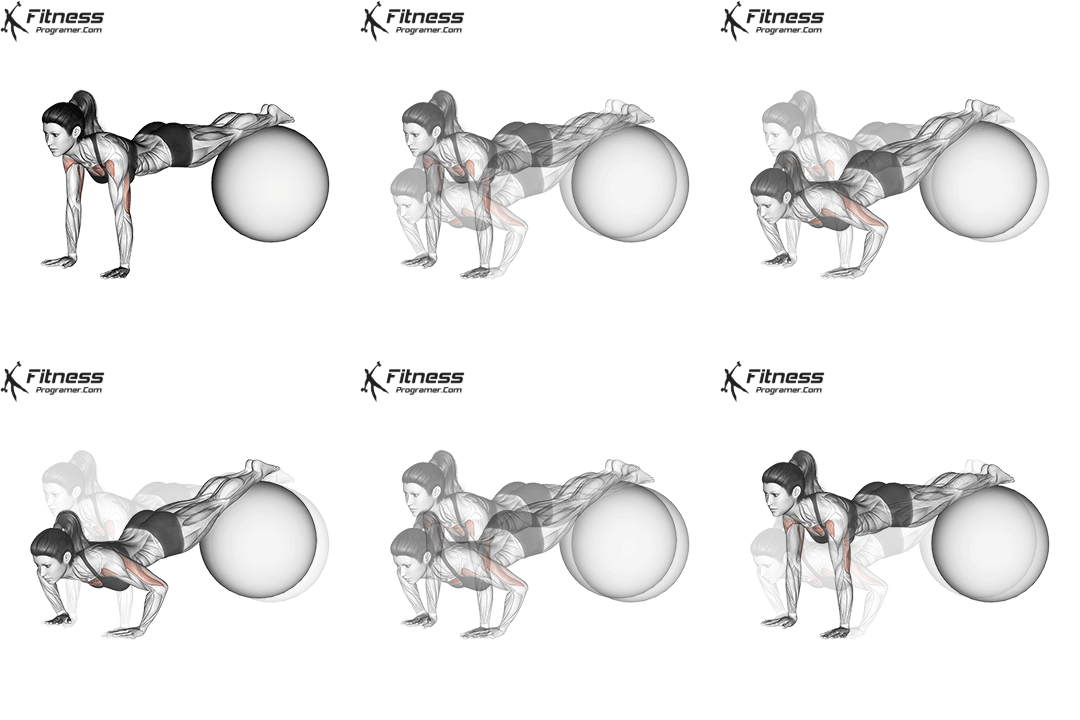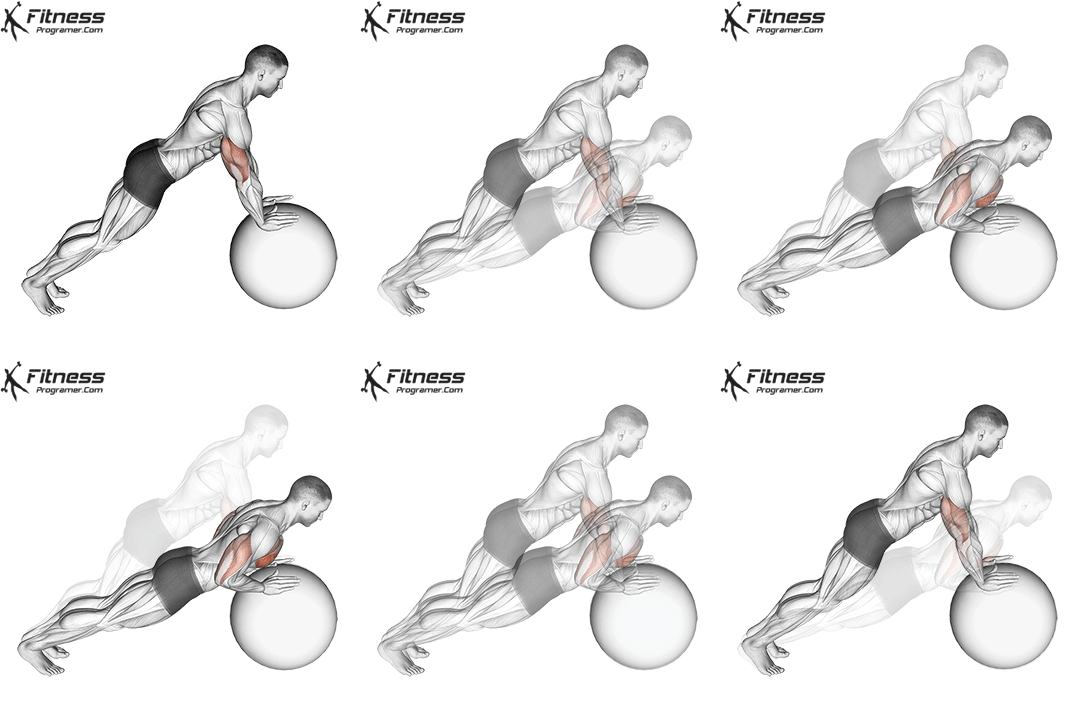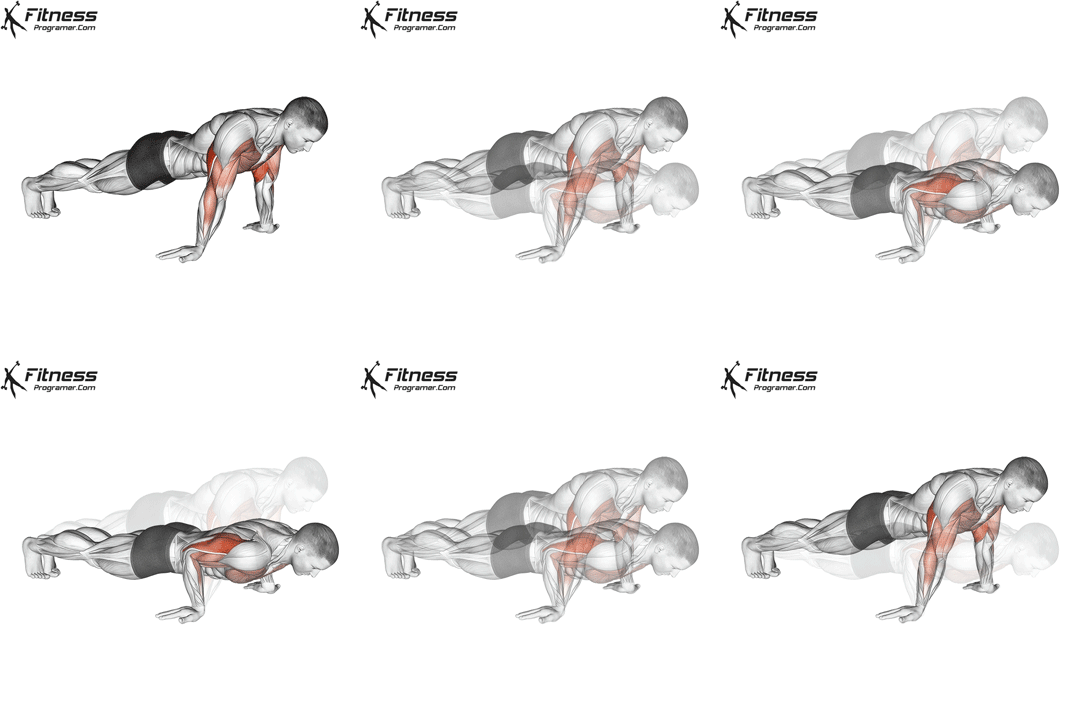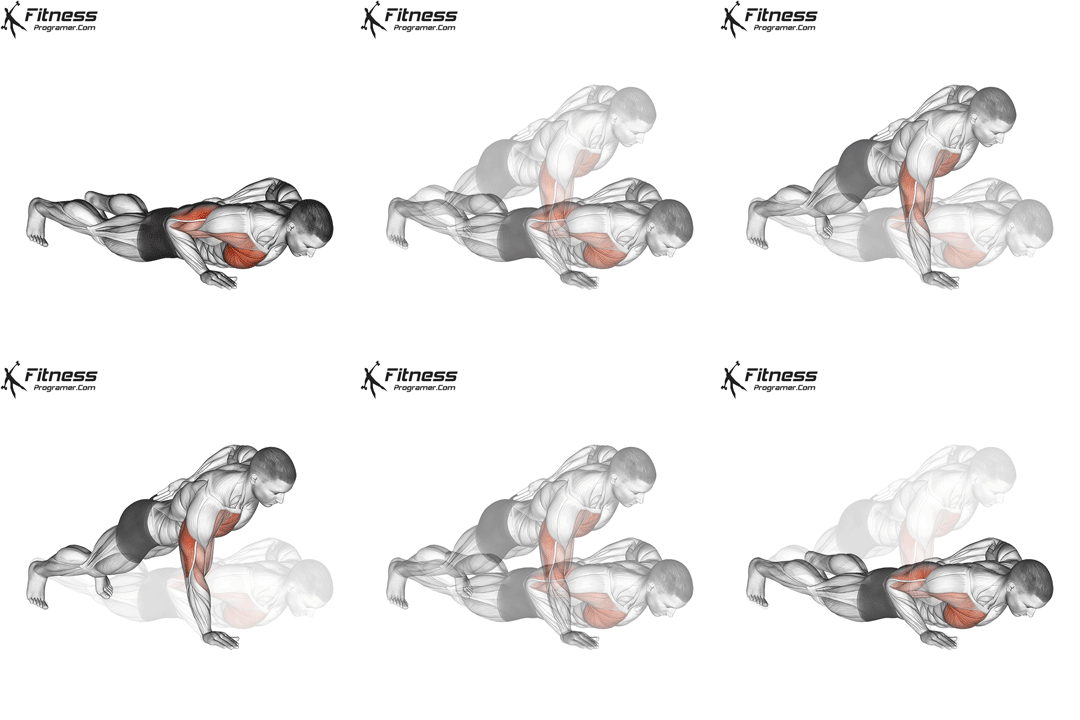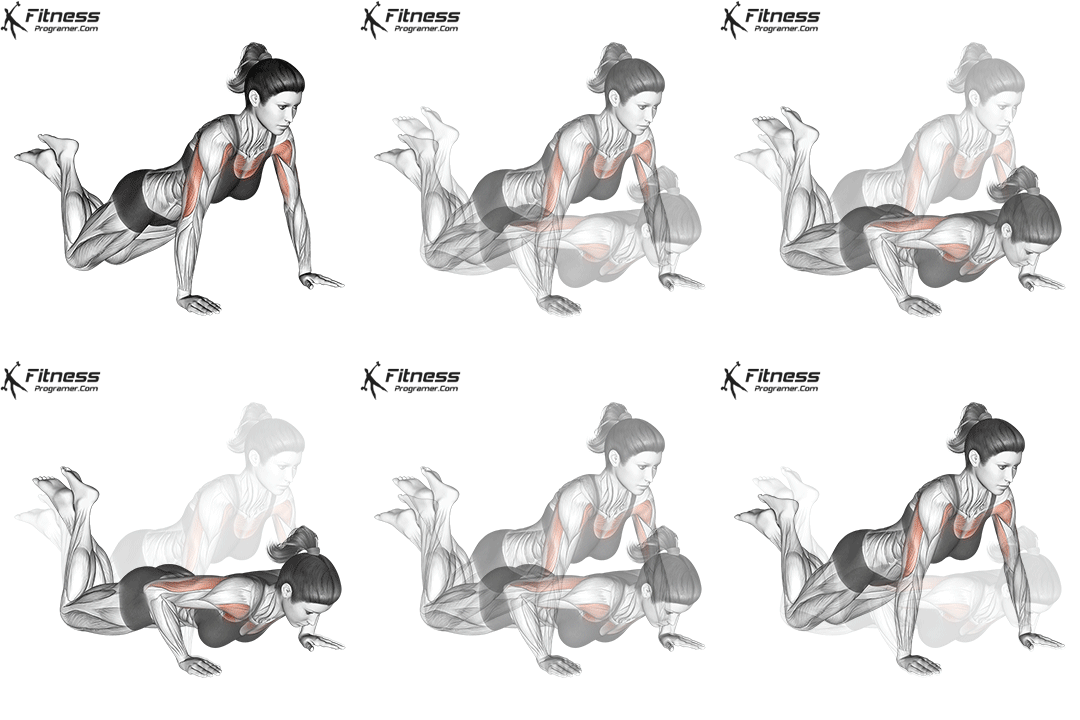

Push-ups are a compound exercise This is usually done with body weight and builds strength. When done correctly, the push-up works the chest muscles, triceps and shoulder muscles. It also ensures the work of all muscle groups focusing on balance, core strength and muscle building. Cardio Endurance, agility and flexibility. Because push-ups are a functional exercise, they are part of basic strength training in physical education classes and in the military. Aren’t these enough as an indicator of how effective push-ups are in all areas? Then let’s move on…
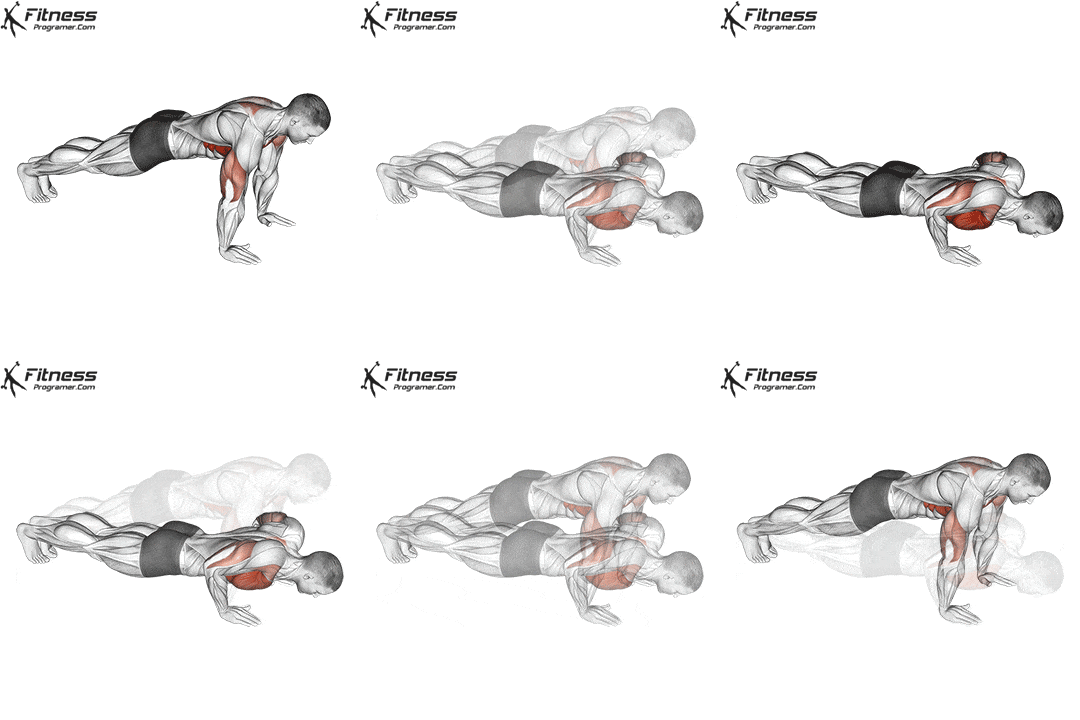
Perfect push-up form for beginners:
-
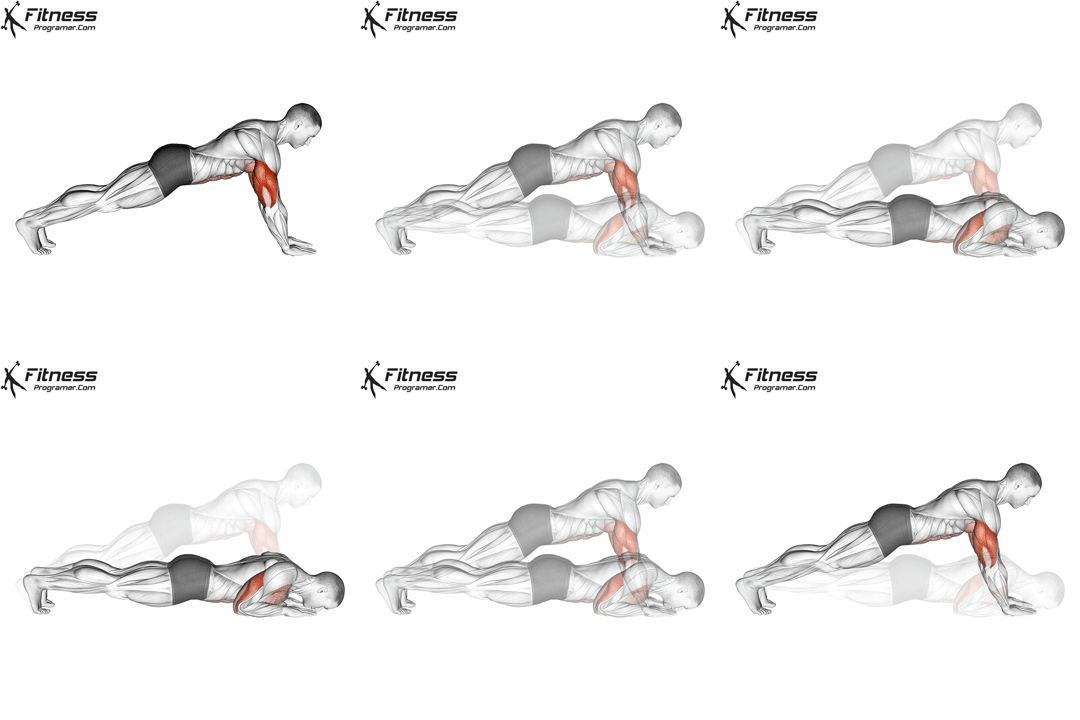
Starting position:
- Start in a plank position with your hands slightly wider than shoulder-width apart.
- Keep your wrists in line with your shoulders and your fingers pointing forward or slightly outward.
- Engage your core and maintain a straight line from head to heels. Avoid slouching your hips or arching your back.
-
Version:
- Lower your body by bending your elbows while keeping them close to your torso.
- Lower yourself until your chest is about an inch above the floor, or as much as your strength allows.
- Make sure your body moves as a unit. Don’t let your hips sag.
- Press through your palms to straighten your elbows and return to the starting position.
- Fully extend your arms without bending your elbows.
-
Breathing:
- Inhale as you lower your body.
- Exhale as you push yourself back up.
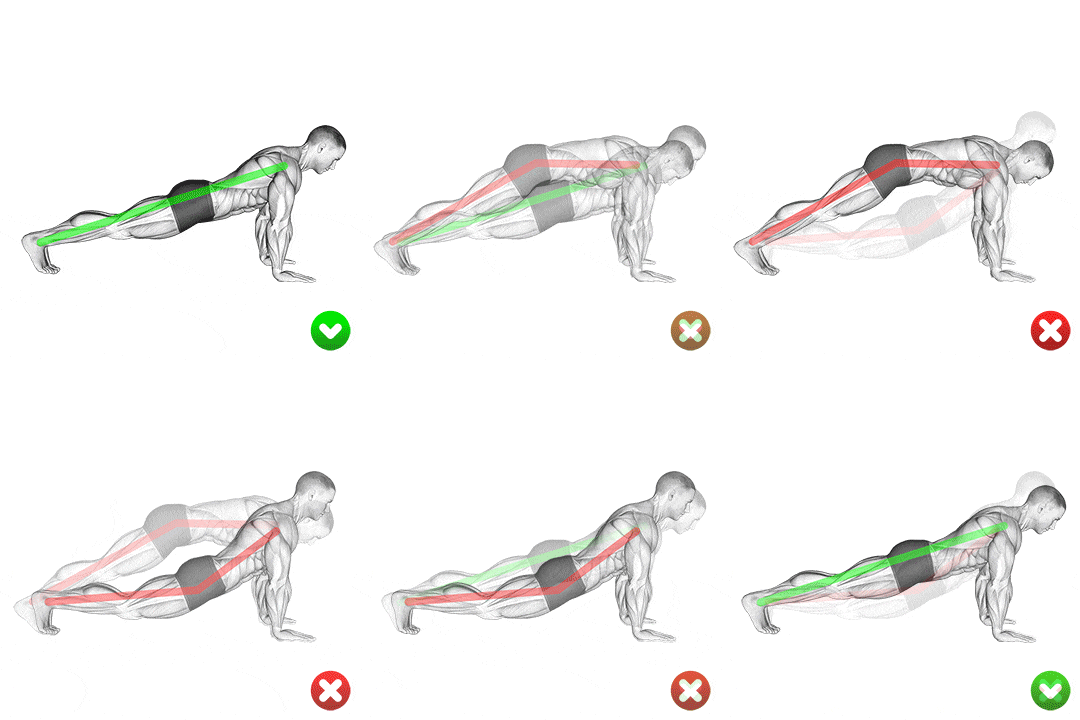
Common mistakes to avoid:
-
Sagging hips: Keep your body in a straight line from head to heels. Don’t let your hips sink or rise too high.
-
Extended elbows: Keep your elbows close to your body to protect your shoulders.
-
Incomplete range of motion: Lower your body until your chest is close to the floor. If you only go half the distance, you won’t get the full benefit.
-
Incorrect hand placement: Hands should be in line with your shoulders, not too wide or too narrow.
Push-up muscles worked
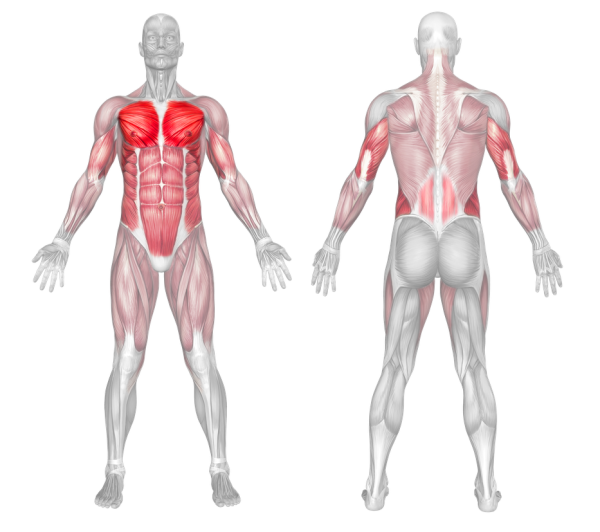
- Goal – Pectoralis major, sternal muscle
- Synergists – Pectoralis major, clavicle
- Synergists – Anterior deltoid
- Synergists – Triceps Brachii
- Synergists – Trapezius
- Dynamic stabilizers – Biceps Brachii
- Stabilizers – Straight stomach
- Stabilizers – Pectoralis major muscle
- Stabilizers – Serrated at the front
- Stabilizers – Obliques
- Stabilizers – Quadriceps
- Antagonistic stabilizers – Spinal erectors
- Antagonistic stabilizers – The widest back
5 important benefits of push-ups
1. Full body use:
While push-ups primarily work the upper body, they also work different muscle groups throughout the body. For example, the back muscles are involved in maintaining a stable posture and the leg muscles contribute to overall stability. This comprehensive commitment makes push-ups an effective full-body exercise.
2. Muscle use:
When done correctly, push-ups primarily target the pectoral muscles (chest), triceps (back of the arms), and deltoids (shoulders). This commitment helps build both upper body strength and muscle definition. Beyond the primary muscle groups, push-ups engage various other muscles to maintain balance and stability. These include the core muscles, which help stabilize the spine and pelvis, and the back muscles, which help maintain correct posture.
3. Cardio Endurance:
Performing push-ups at a faster pace or with high repetitions can quickly increase your heart rate. This increased heart rate is an important part of cardiovascular exercise because it helps improve the efficiency of your cardiovascular system, including your heart and lungs. Push-ups can be performed in many repetitions or as part of one Circuit training This makes them an effective way to improve cardiovascular endurance when performed at a faster pace.
4. Functional Exercise:
Push-ups simulate the pushing movements common in everyday life and are therefore a functional exercise. This means that the strength and skills gained from push-ups can be directly applied to real-world situations, which is of great value in physical education and military training.
5. Muscular endurance
Muscular endurance is the ability of a muscle or muscle group to maintain a contraction for an extended period of time or to perform repeated contractions without fatigue. Push-ups require you to support your body weight for an extended period of time with each repetition. This sustained effort puts significant strain on your muscles and contributes to improved endurance over time.
Given these benefits, it is clear that push-ups are an effective and versatile exercise that can benefit individuals in various fields, from sports and fitness to military and sports. They offer a comprehensive approach to building strength, endurance and functional fitness.
Create a comprehensive push-up routine
As a beginner, it is crucial to prioritize proper form and technique over the number of repetitions. Gradually progress in repetitions and difficulty levels as you become more comfortable with each variation. Additionally, listen to your body and adjust exercise intensity as necessary to avoid overexertion or overload.
This routine provides a comprehensive introduction to push-up training, allowing you to gradually build strength and endurance as you incorporate different push-up variations. Adjust the number of sets and reps as needed based on your fitness level and the challenge of the workout for you.
Here is an example of a beginner routine:
- 5-10 minutes of light cardio exercise (e.g. jogging in place or jumping jacks)
- Dynamic upper body stretches, including arm circles and shoulder rolls
Push-up workout routine:
Set 1: Standard push-ups
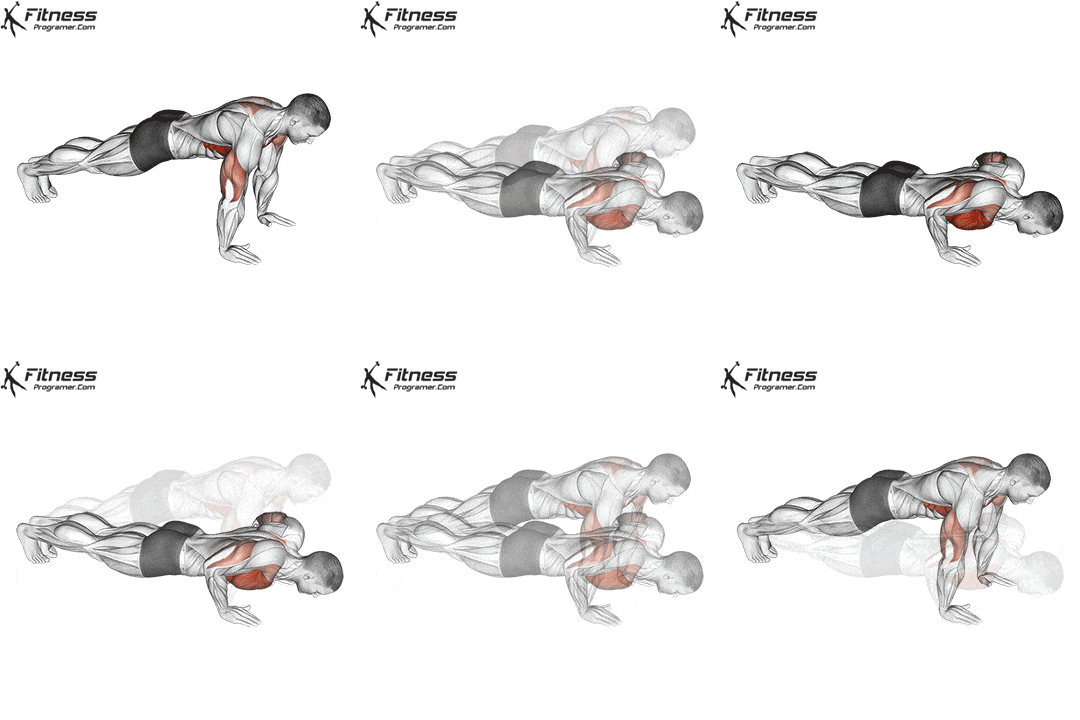
- 2 sets of 12-15 reps
- Take a 30-60 second break between sets
- Focus on maintaining proper form throughout each set
- If you can’t complete the desired number of reps with good form, do as many as you can and gradually work your way to the target range
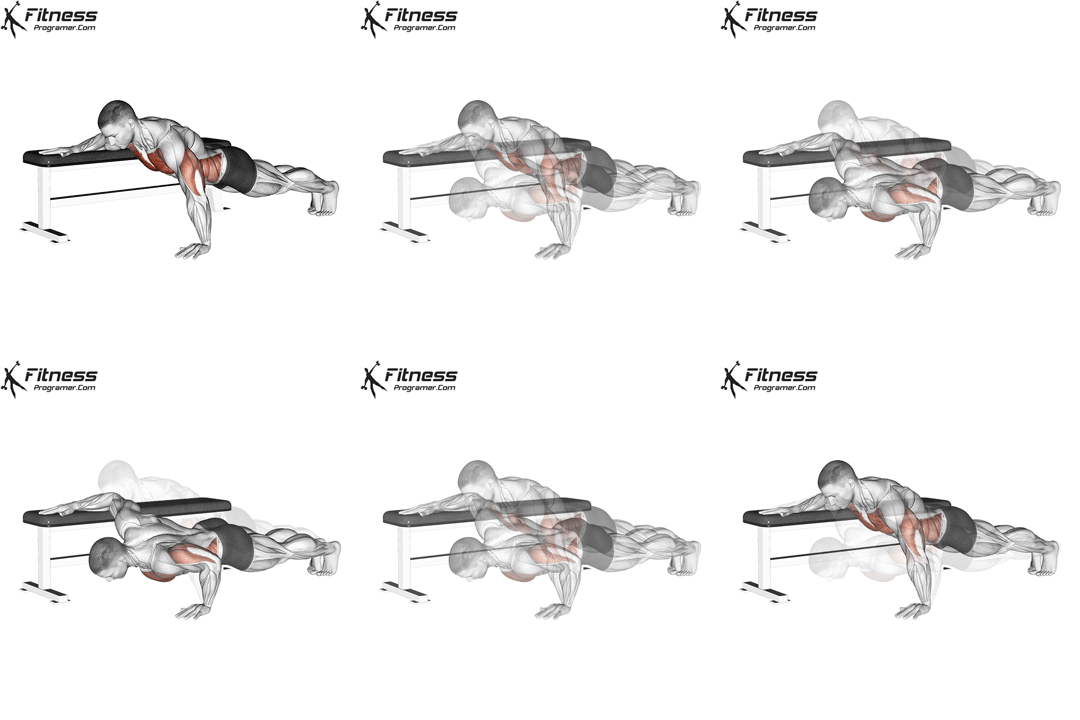
Set 2: Incline push-ups
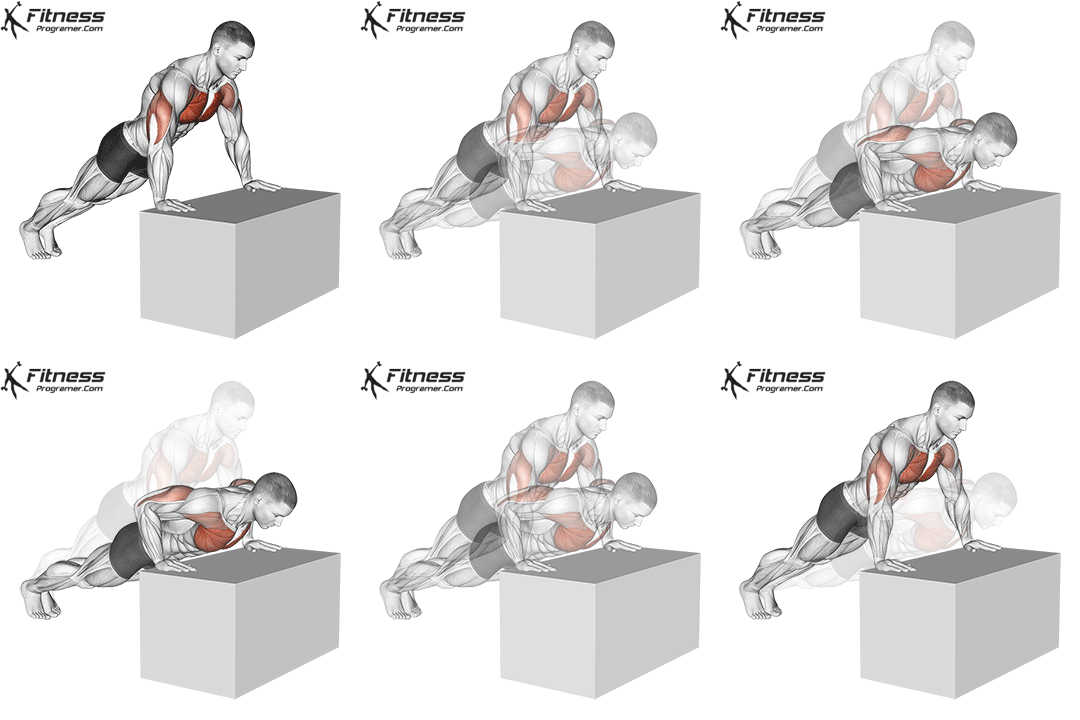
- 2 sets of 12-15 reps
- Take a 30-60 second break between sets
- Place your hands on an elevated surface (such as a bench or step) to make the exercise a little easier than traditional push-ups
Set 3: Decline push-ups
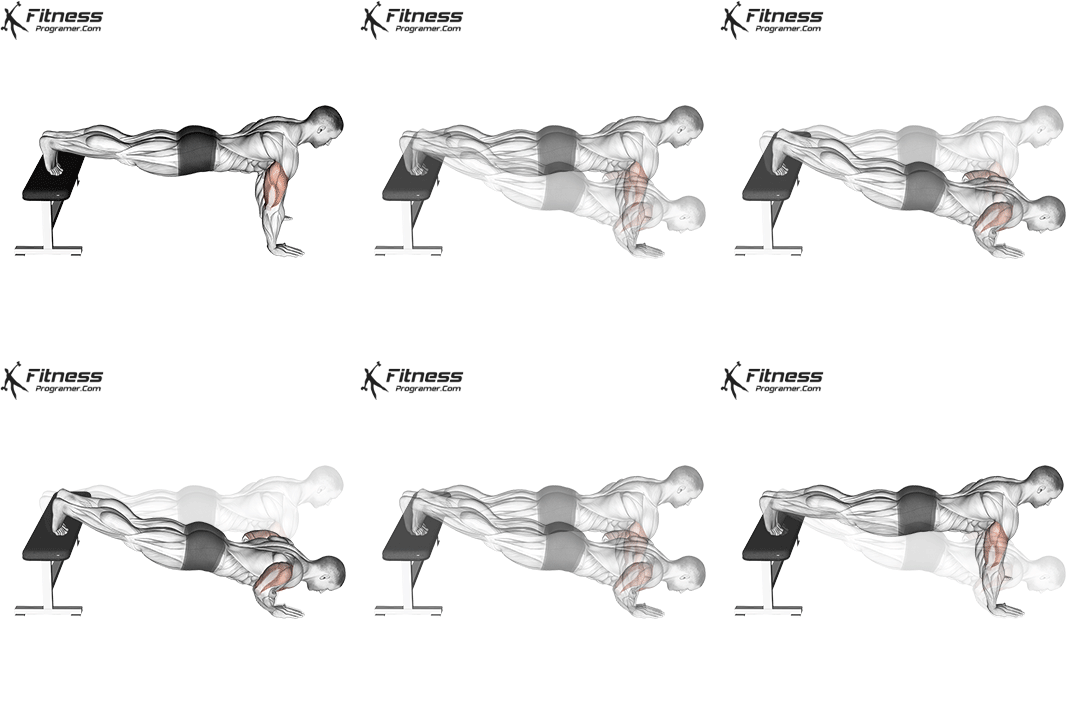
- 2 sets of 12-15 reps
- Take a 30-60 second break between sets
- Place your feet on a stable surface (such as a bench or step) to increase the difficulty
Cool:
Stretch the chest, shoulder, triceps and upper back muscles to improve flexibility and aid recovery
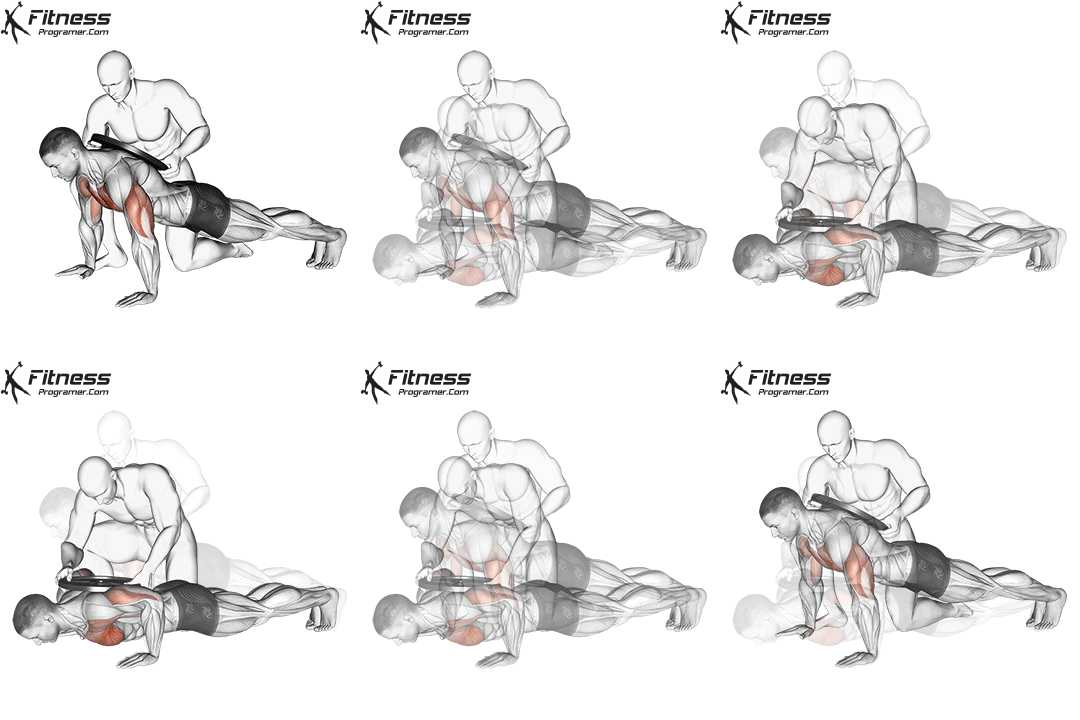
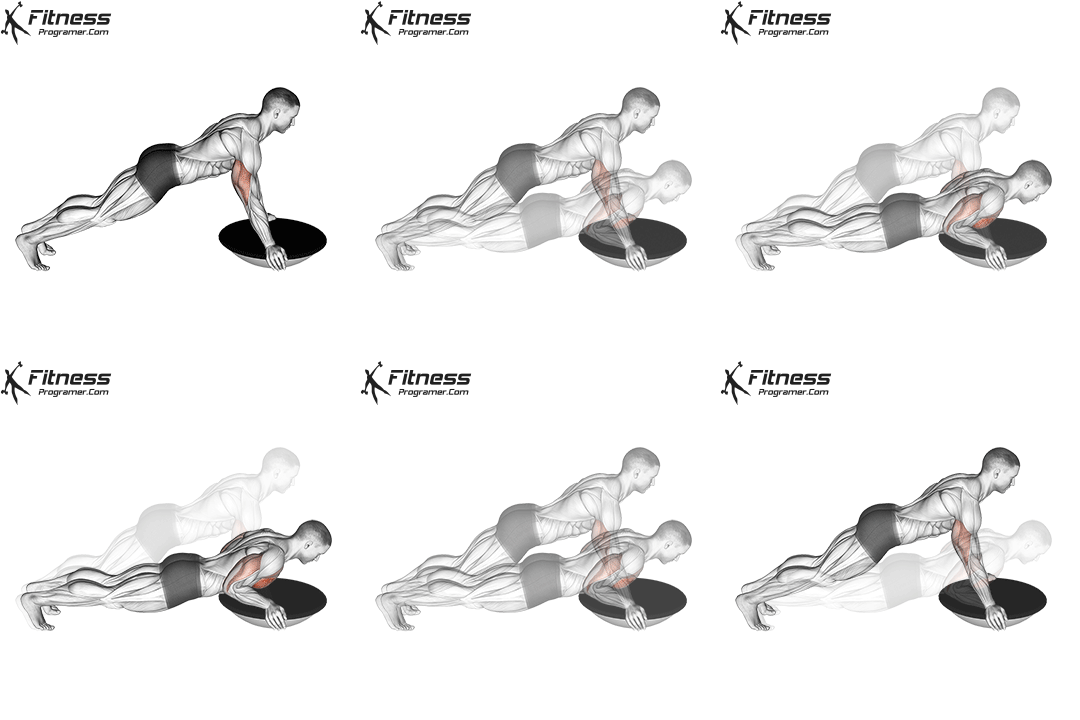
Push-up variations
Push-ups offer a wide range of variationsas mentioned earlier, which allow you to target different muscle groups and add variety to your training program. This versatility helps avoid plateaus and keep your workouts interesting.