

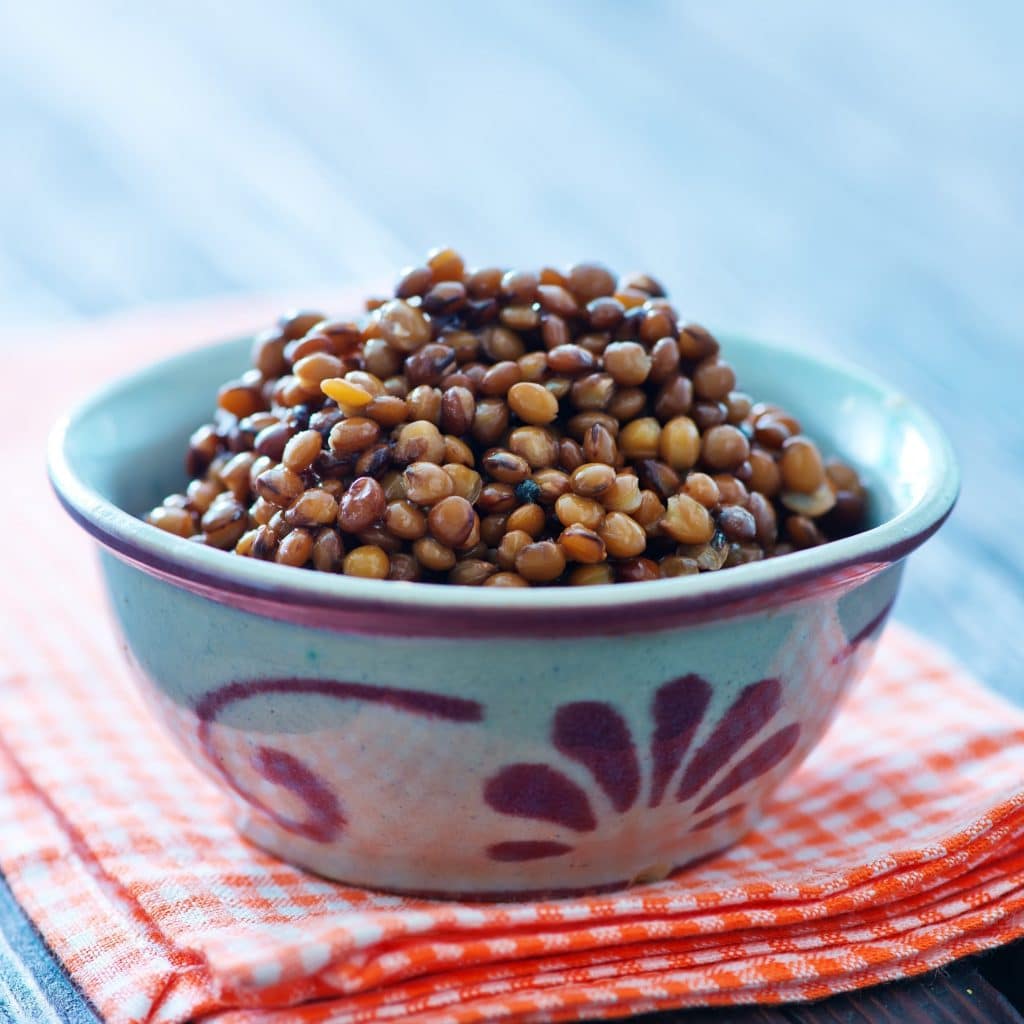
Protein shouldn’t break your grocery budget. Beans and lentils provide affordable protein, fiber and essential nutrients for a fraction of what meat costs – often less than 50 cents per serving (1). Whether you’re a student stretching your budget, a family watching your spending, or just want to eat well without overspending, canned beans and quick-cooked lentils are your secret weapons. Here’s everything you need to know to safely use these budget-friendly powerhouses.
Why beans and lentils are budget protein winners
The numbers speak for themselves: Dried beans cost between 10 and 20 cents per serving, while canned beans cost 25 to 40 cents per serving. Compare that to 80 cents to over $2 for a serving of meat, and the savings add up quickly (1). A family that eats beans instead of meat once a week could save nearly $65 per year just from that single swap (4).
“Beans and lentils are one of the most cost-effective ways to meet your protein needs,” says Katherine Basbaum, RD, nutritionist at MyFitnessPal. “If you’re on a tight budget, swapping just one or two meat-based meals per week for bean-based meals can make a real difference in your grocery bill without sacrificing nutrition.”
Beyond the price, legumes deliver serious nutritional supplementation. Beans and lentils provide both protein and fiber – half a cup of cooked beans typically contains 7-8 grams of protein and 7 grams of fiber. They are also excellent sources of iron, folic acid, potassium and magnesium (5). Because they are considered both vegetables and protein foods in the USDA Dietary Guidelines, they are uniquely positioned to help you meet multiple nutritional goals at the same time (6).
The durability makes them even more budget-friendly. Unopened canned beans have a shelf life of 2-5 years when stored in a cool, dry place (2). Dried beans and lentils have an even longer shelf life and, if stored correctly, will retain their quality for years. Unlike fresh produce or meat, which spoils quickly, legumes give you flexibility – they’re always there when you need them, reducing food waste and emergency takeaways.
The legume toolkit for beginners
Start with these budget-friendly basics:
Canned beans (choose 2-3 types to start with):
- Black beans – versatile for Mexican dishes, salads, burgers
- Chickpeas (chickpeas) – ideal for Mediterranean dishes, roasted snacks, hummus
- Pinto beans or kidney beans – perfect for chili, soups, rice bowls
Quick Cooked Lentils (choose 1-2 types):
- Brown or green lentils – hold their shape well; Ideal for salads, soups, side dishes
- Red lentils – cook fastest (15-20 minutes); break down to create creamy textures in curries and dals
If possible, look for low sodium or no added salt versions. They give you more control over seasoning and help control sodium intake. Store brands often cost less and taste just as good as branded items.
Preparation basics
Canned beans require minimal preparation, but a few simple steps improve flavor and nutritional value:
Drain and Rinse: Empty the can into a colander and rinse under cold water for 30-60 seconds. This removes the thick, starchy canning liquid and reduces the sodium content by about 41% (3).
Storage after opening: Transfer remaining beans to an airtight container (not the metal can) and store in the refrigerator. For longer storage, freeze the beans in freezer-safe containers or bags.
Quick-cooking lentils only need to be rinsed briefly before cooking. Run it through a fine-mesh sieve and remove any debris and small stones. Unlike dried beans, lentils do not need to be soaked.
Quick Cooked Lentils 101
Lentils are one of the fastest cooking legumes and are ready in 15-40 minutes depending on the variety – no soaking is necessary.
Basic cooking method:
- Rinse 1 cup lentils in a fine-mesh strainer
- Place in a pot with 3-4 cups of water (excess water will be drained later, e.g. with pasta)
- Bring to a boil, then reduce heat and simmer to low
- Cover and Cook:
- Drain excess water
Pro tip: Do not add salt until after cooking – it can toughen the skin. Add a bay leaf or aromatics such as garlic and onion to the cooking water for extra flavor. Keep the heat low to prevent the lentils from becoming mushy. Gently simmering preserves the consistency.
Store cooked lentils in the refrigerator for 4-5 days or freeze for up to 3 months.
Easy Ways to Use Beans and Lentils
The beauty of beans and lentils is their versatility. Here are easy ways to add them to everyday meals:
Mix into salads: Add rinsed canned chickpeas or cooked lentils to green salads or grain bowls for instant protein and needed staying power.
Top up soups and stews: Stir in canned beans during the last minutes of cooking. Add dried lentils directly to the pot and simmer until tender.
Make quick tacos or burritos: Warm canned black beans with cumin, chili powder, and garlic for an easy taco filling. For a creamier consistency, mash half of the beans.
Mix into dips and spreads: Puree chickpeas with tahini, lemon and garlic for hummus. Mix white beans with olive oil and herbs to make a creamy spread.
Swap for minced meat: Use cooked brown lentils in place of half (or all) ground beef in tacos, pasta sauce, or chili. Season well with spices and aromatics.
“One of my favorite tips for beginners is to start by adding beans to already prepared dishes,” says Basbaum. “Add chickpeas to your regular salad, serve a side of black beans on taco night, or add a few lentils to your favorite homemade vegetable soup. You don’t have to completely overhaul your cooking—just improve what you’re already eating.”
Roast for crispy snacks: Toss drained chickpeas with oil and spices, then roast at 200°C for 30-40 minutes to create a crispy, protein-rich snack.
Add to breakfast: Stir lentils into scrambled eggs, fold beans into breakfast burritos or add to hearty oatmeal bowls.
Flavor combinations that work:
- Black beans + lime, cumin, coriander, jalapeño
- Chickpeas + lemon, garlic, tahini, pepper
- Lentils + ginger, curry powder, coconut milk, tomatoes
- White beans + rosemary, garlic, olive oil, parmesan
Frequently Asked Questions: Canned Beans and Lentils
Do beans and lentils cause bloating?
Beans contain oligosaccharides, complex sugars that can cause gas when fermented in the digestive tract. You can try digestive enzyme supplements or gradually increase your bean intake to allow your gut to adjust (5).
Can I use the liquid from canned beans?
Yes! The liquid (called aquafaba) can be used for cooking. It adds body to soups and stews. Some people even use chickpea liquid as an egg substitute in baking.
Can I freeze beans and lentils?
Yes! Cooked beans and lentils freeze wonderfully. Store in airtight freezer containers or bags (leave some room for expansion) for up to 3-6 months. Thaw overnight in the refrigerator or add frozen directly to soups.
The conclusion
Beans and lentils are budget-friendly protein and fiber champions that cost pennies per serving, last for years, and require minimal preparation. Start with a few types of canned beans and one type of dried lentils, master the simple rinsing and cooking techniques, and experiment with simple additions to already prepared meals. Your wallet – and your body – will thank you.
The post Beans and Lentils for Beginners: A Starter’s Guide to Using Legumes for Affordable Protein and Fiber appeared first MyFitnessPal Blog.